author business

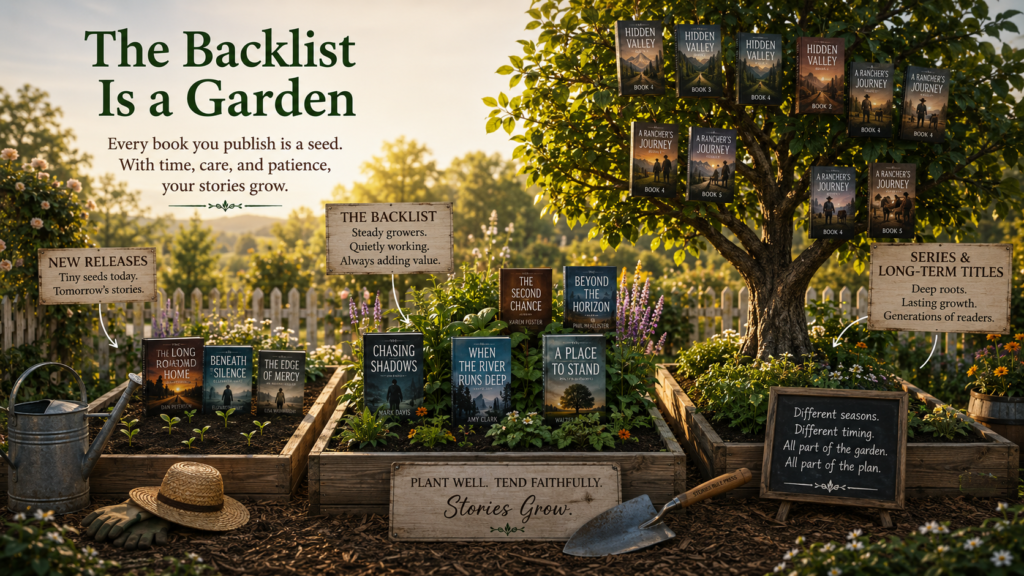
The Backlist Is a Garden

We spend a lot of time talking about launches in publishing. Launch week. Launch numbers. Launch strategies. But publishers eventually learn something authors often overlook: books aren’t just products. They’re plants. Some flourish immediately. Others take years to reach their full potential. The real strength of a publishing business isn’t found in a single launch—it’s found in a backlist that keeps growing, season after season.

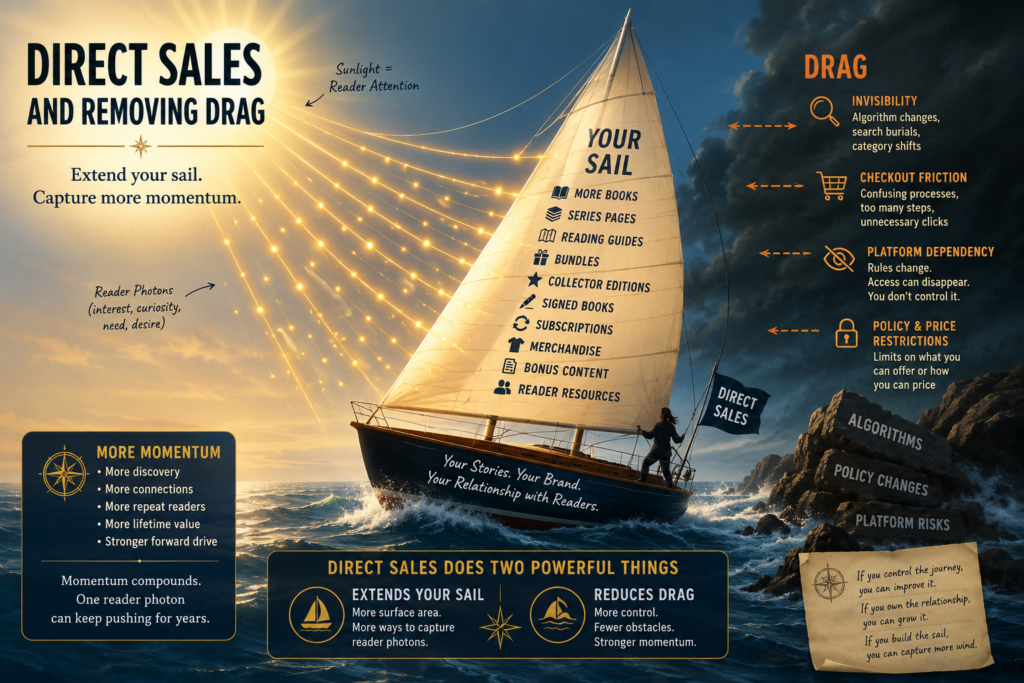
Direct Sales and Removing Drag

Selling direct isn’t just about keeping a larger share of the sale. From a Solar Sail Theory perspective, direct sales does something even more valuable: it extends your sail and reduces drag at the same time. Every product page, bundle, subscription, and reader resource becomes another opportunity for discovery, while direct relationships with readers create momentum that can continue for years. At the same time, selling direct reduces your dependence on retailer algorithms, visibility changes, and platform policies. Sometimes the best business decisions solve more than one problem at once—and direct sales is one of them.

Publishing Has Entered Its Horse Era

The indie gold rush is over. Publishing today feels less like striking it rich and more like pulling a plow through hard ground. Algorithms shift, discoverability shrinks, AI sludge floods storefronts, and the easy momentum is gone. But maybe that’s not a bad thing. Because hard eras reveal what actually matters: endurance, adaptability, direct relationships with readers, and authors willing to keep moving even when the road gets muddy. Welcome to publishing’s horse era.

Readers Can Feel the Difference

Readers are becoming more selective—and that may be very good news for skilled storytellers. In a marketplace flooded with rushed and disposable content, craftsmanship matters more than ever. Readers aren’t just consuming words. They’re investing trust. And trust is earned one sentence, one scene, and one book at a time.

We’re Building Something Better for Readers

Stories Rule Press is becoming more than just a storefront. We’re building a true home base for readers—one where we can offer bundles, special editions, early releases, and a more personal connection to the stories you love. Here’s why we’re shifting our focus toward direct sales and creating a better experience for readers.

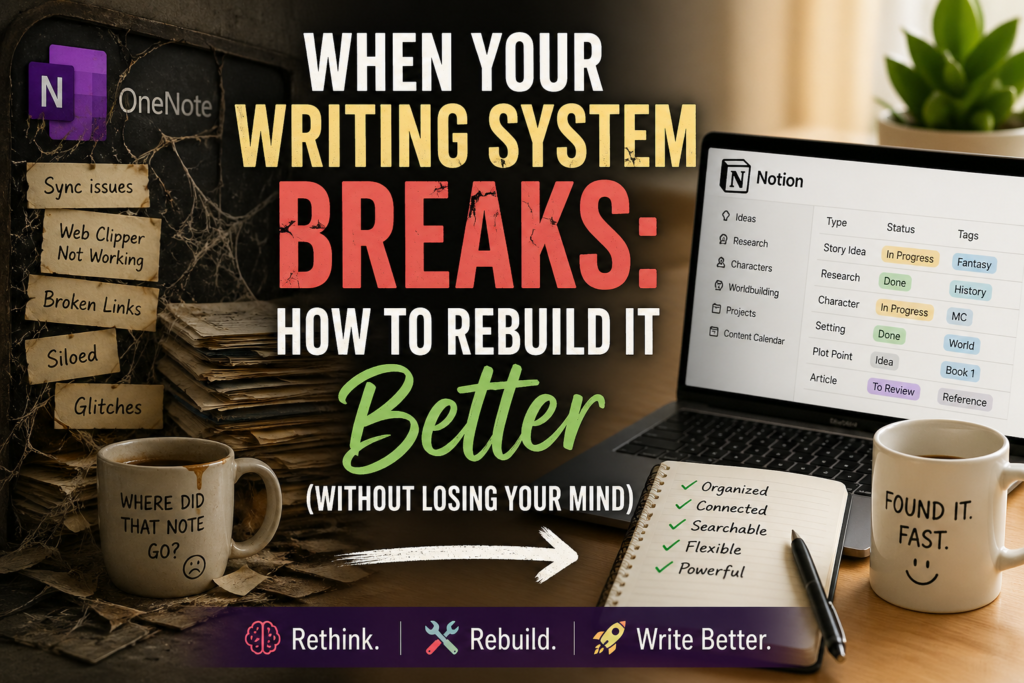
When Your Writing System Breaks: How to Rebuild It Better (Without Losing Your Mind)

Your writing system probably won’t fail all at once—it’ll decay, one small glitch at a time, until the tool you rely on starts slowing you down instead of supporting you. When that happens, the real solution isn’t finding a replacement that works the same way—it’s rethinking how your system works entirely. Here’s what OneNote’s decline taught me about rebuilding a writing workflow that’s faster, more flexible, and far more resilient.

The Slow Squeeze: Why It Might Be Time to Reconsider Barnes & Noble

Barnes & Noble didn’t send a warning shot—they sent a deadline. Raise your paperback prices to $14.99 by May 14th, or your books are gone. For indie authors working in short fiction or maintaining deep backlists, that’s not a tweak. It’s a hard stop. And it’s only the latest move in a pattern that’s quietly reshaping who—and what—belongs on the platform. The question isn’t whether these changes are fair. It’s whether your publishing strategy can survive them.

Your Editor Isn’t Waiting—And That’s a Good Thing

If you’re waiting until your manuscript is finished before thinking about editing, you’re already behind. Editors don’t work on demand—they book weeks or months in advance to give every project the attention it deserves. The writers who stay on track? They treat editing as part of their production pipeline, not the final step.

Trad vs Indie in 2026, Part III

Most authors aren’t confused about how traditional and indie publishing work. They’re confused because they’re emotionally attached to what they want those systems to be. In 2026, choosing between trad, indie, or anything resembling “hybrid” isn’t about legitimacy or dreams of a writing career. It’s about understanding which system you’re willing to depend on — corporations behaving well, or yourself. This is the part nobody says out loud.

Trad vs Indie in 2026, Part II

If Part I was the brutal, unsentimental comparison of trad vs indie — advantages, disadvantages, and the cold math of each — then Part II shifts gears completely. Part II dives into what modern indie publishing actually looks like in 2026, because most writers still imagine the 2013 version: KU gold rushes, cheap ads, write-to-market hamster wheels, and algorithmic rituals. That world is gone. Today’s indie career is a full business model built on direct sales, diversified income, long-tail backlist revenue, platform resilience, and storytelling that can’t be replicated by AI. If you don’t understand this version of indie, you can’t choose your publishing path intelligently — and Part II lays it out without sentimentality, delusion, or nostalgia.

Shopping Basket
Scroll to Top