writing craft

If You’re Not Crying, You’re Doing It Wrong

Writing fiction should make you feel something. If you’re not laughing, crying, or at least smirking at your own words, your readers won’t either. Emotional resonance starts with the writer. From cardboard characters to scenes that don’t belong, here are five reasons your story might be falling flat—and what to do about it.

Let’s Bury “Fast = Crap” Once and for All

The “fast = crap” myth is creeping back into author circles—and it’s time to shut it down. Whether you write fast, slow, or somewhere in between, what matters is craft, not the clock. This post unpacks why speed doesn’t equal sloppiness, how believing otherwise can harm your writing, and what the Artisan Author mindset really means. Spoiler: it’s not “write slow or else.”

The Antagonist Doesn’t Think They’re the Bad Guy

A great antagonist isn’t a cartoon villain twirling a mustache—they’re someone who truly believes they’re right. The most compelling conflicts come when your villain’s goals clash with your hero’s in ways that feel uncomfortably relatable.

Lights, Character, Action! Why Every Scene Has to Earn Its Keep

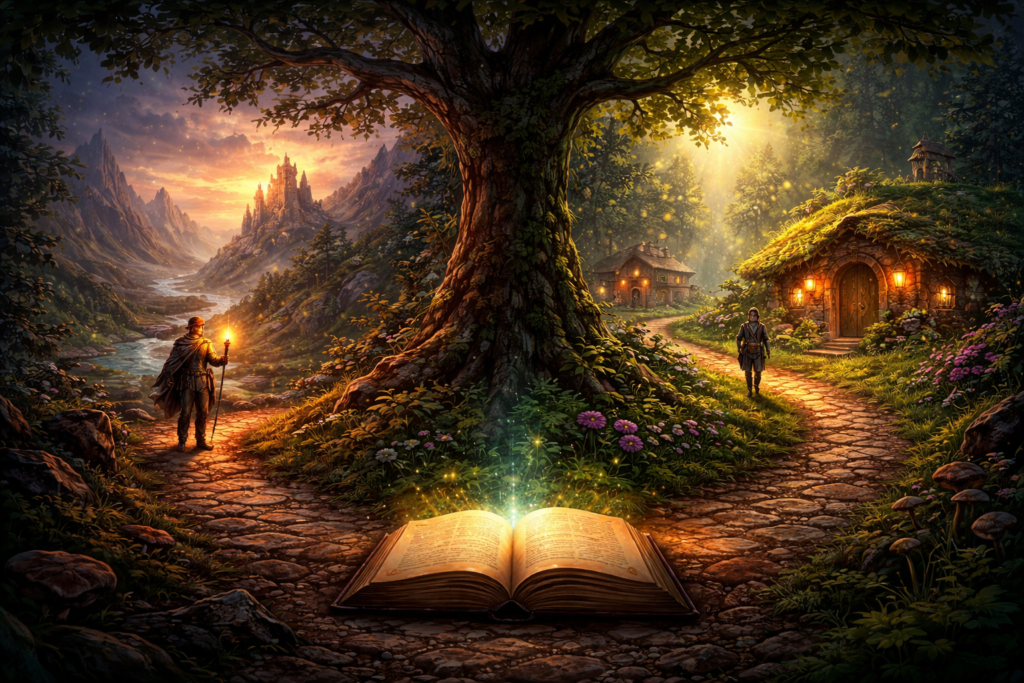
Every scene in your novel has to earn its keep. If it doesn’t shift a value, reveal character, or drive the plot forward, it’s nothing more than wallpaper—and readers don’t show up for wallpaper. Learn the three tests that will keep your story moving and your readers hooked.

One Simple Trick to Make Your Dialogue Instantly Stronger

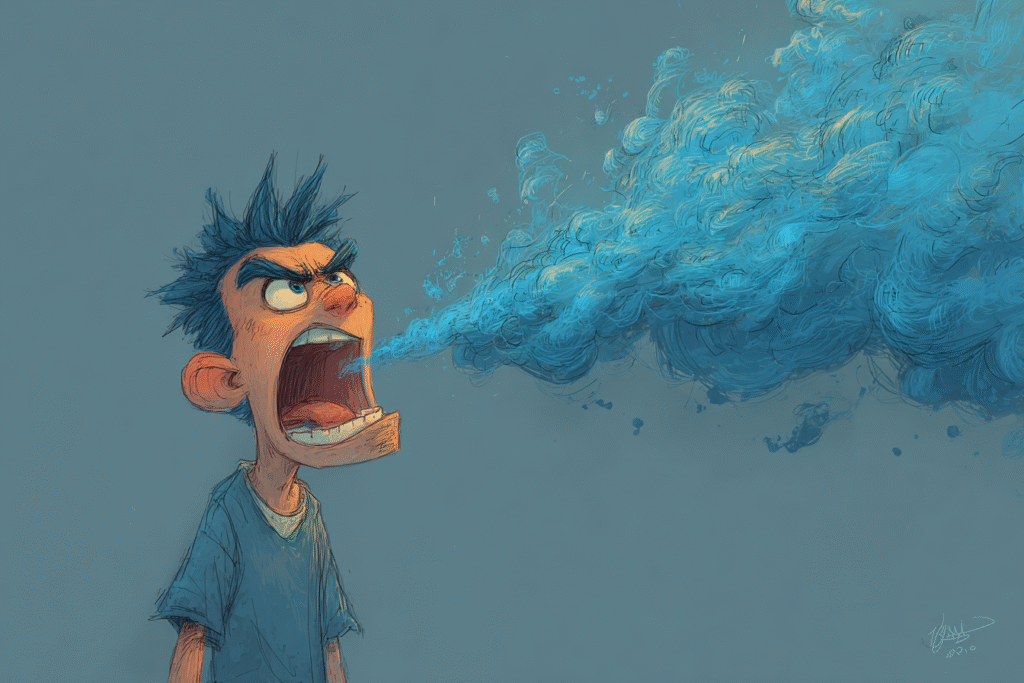
Struggling with clunky conversations or over-the-top dialogue tags? Clean, compelling dialogue doesn’t just sound real — it works hard to reveal character, build tension, and move your story forward. Here’s how to write dialogue that earns its place on the page.

Review of The Artisan Author by Johnny B. Truant

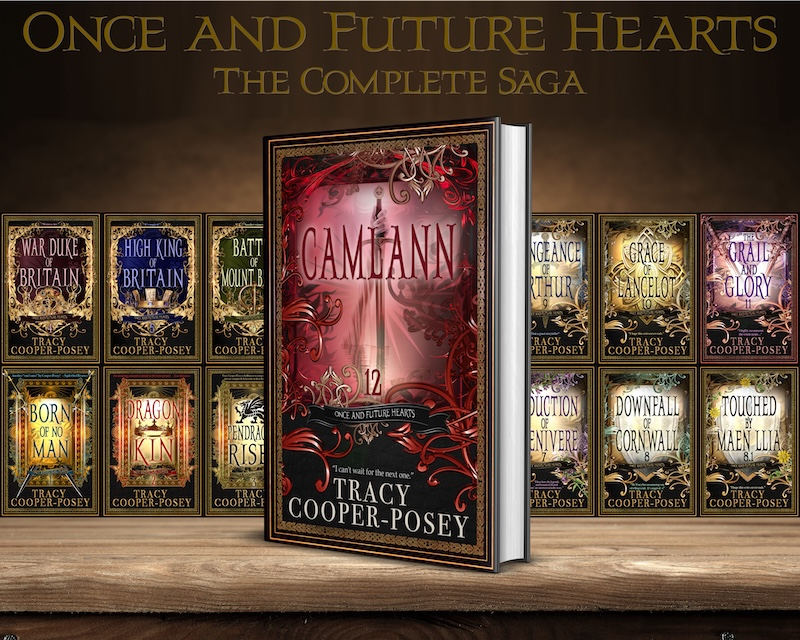
“At its heart, this book offers a liberating proposal: don’t play the game as it’s currently defined. Walk away from algorithm worship, punishing release schedules, and the grind of selling at 99 cents to churn-hungry subscription readers. Instead, write what you want to write, at the pace that suits you, and charge a fair price for your work.”

We’re In A Relationship?

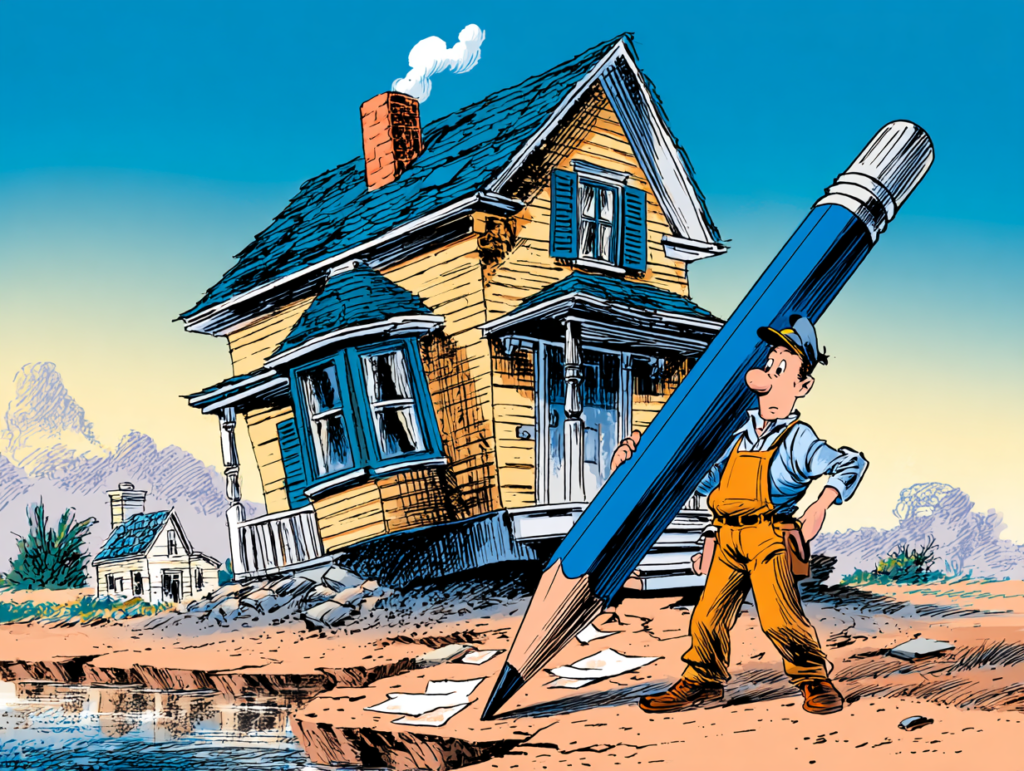
The editor-author relationship is professional and reciprocal: clear, honest feedback from the editor, and respect and understanding from the author. In the end, it’s your book — but professional editing comes with professional expectations.

Shopping Basket
Scroll to Top