

A Writer’s Mind Does Not Walk in Straight Lines
A writer’s mind doesn’t stop at a strange thought — it follows it past the point most people turn back. Somewhere along that drift, reality starts to feel negotiable… and a story begins to breathe.
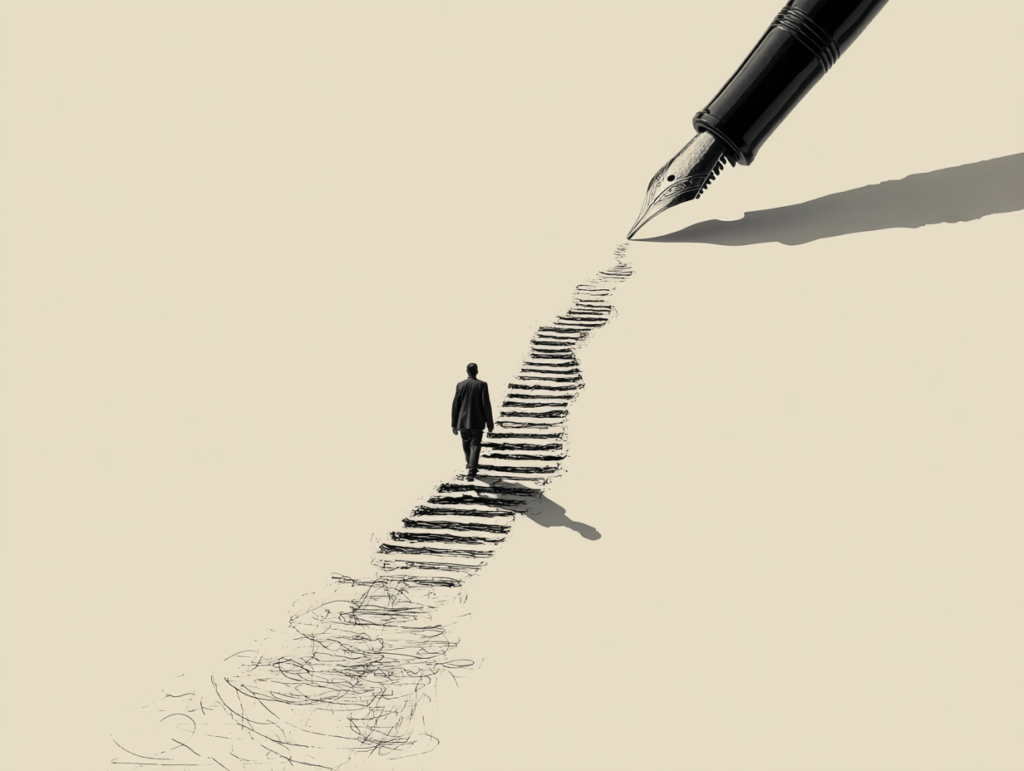
A writer’s mind doesn’t stop at a strange thought — it follows it past the point most people turn back. Somewhere along that drift, reality starts to feel negotiable… and a story begins to breathe.
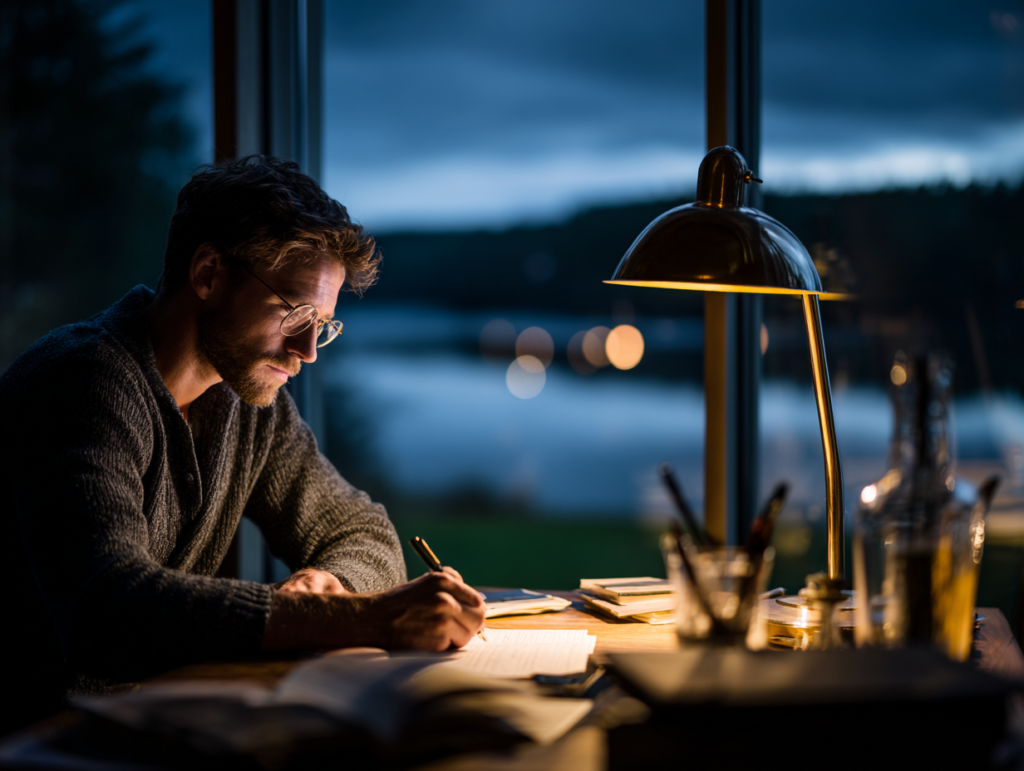
Ideas don’t arrive fully formed. They start as small, sideways questions — the kind that won’t leave you alone once they land. That’s where stories actually come from.

Why do I cling to historical romance? Maybe it’s the dresses—those gowns that could stop a man dead in his tracks. Maybe it’s the slow-burn tension of a hand brushing a sleeve. Or the sweeping backdrop of revolutions, arranged marriages, and the occasional ghost haunting the manor. Modern love stories don’t usually come with corsets, political chess games, or stolen glances across candlelit ballrooms. Historical romance gives us all that, and then some. Here’s why I’m not giving it up anytime soon.
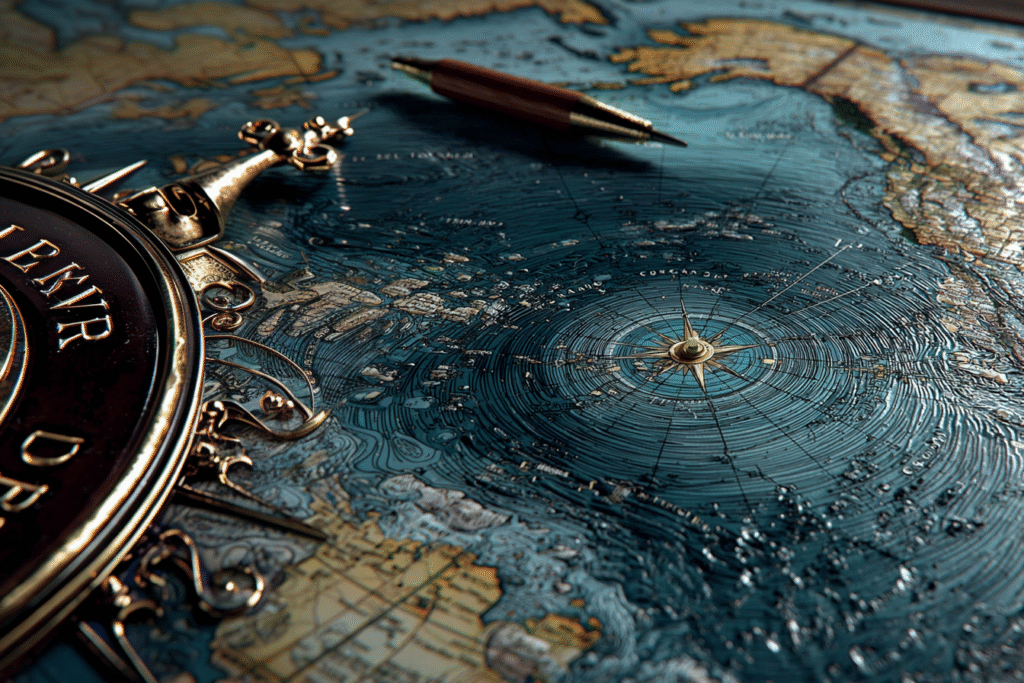
There’s a place in the Pacific Ocean so remote, the closest humans are often aboard the International Space Station. Known as Point Nemo, this eerily empty stretch of ocean is where dead spacecraft go to die—and it sounds exactly like the kind of setting you’d expect in a science fiction novel. In fact, it’s sparked more than a few story ideas already…

Mark Posey shares the five thrillers that rewired his brain — from First Blood to Cujo, these are the books that taught him how to build tension, twist morality, and keep readers one heartbeat away from panic.

I thought I was stuck at 1,200 to 1,300 words per hour because I had been for years. But I wasn’t. I was just telling myself I was. This month, I’ve finished one book, written another in nine days, and started plotting a third—all while juggling a demanding side gig. If you think you can’t write faster, maybe it’s time to stop believing that.
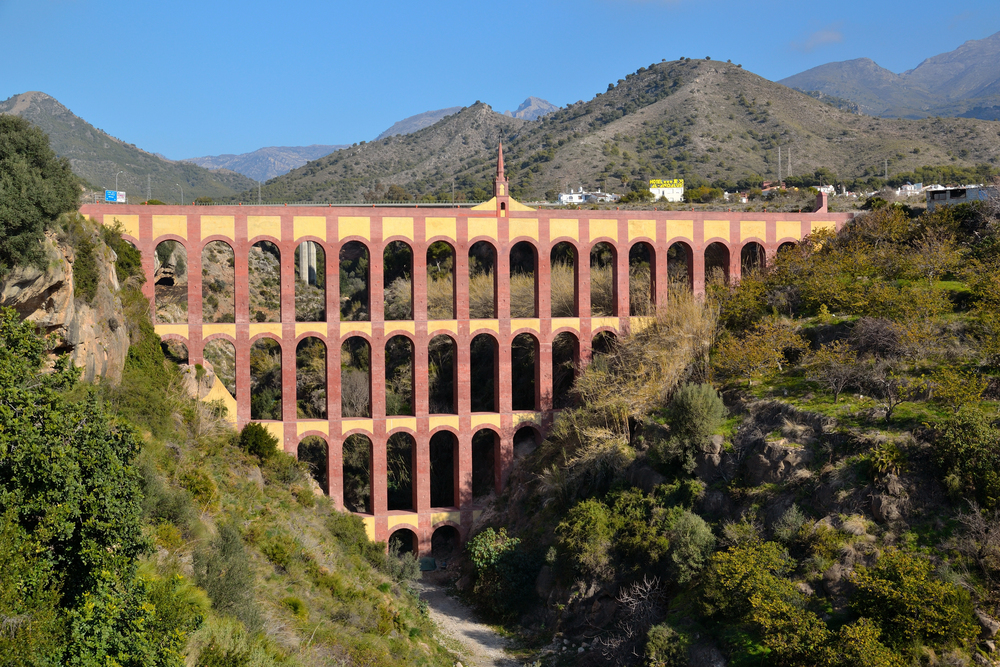
“Aqueducts are the perfect intersection of beauty and practicality. They’re not just pretty ruins—they were the arteries of ancient cities, still standing, still defying time.”