speculative fiction

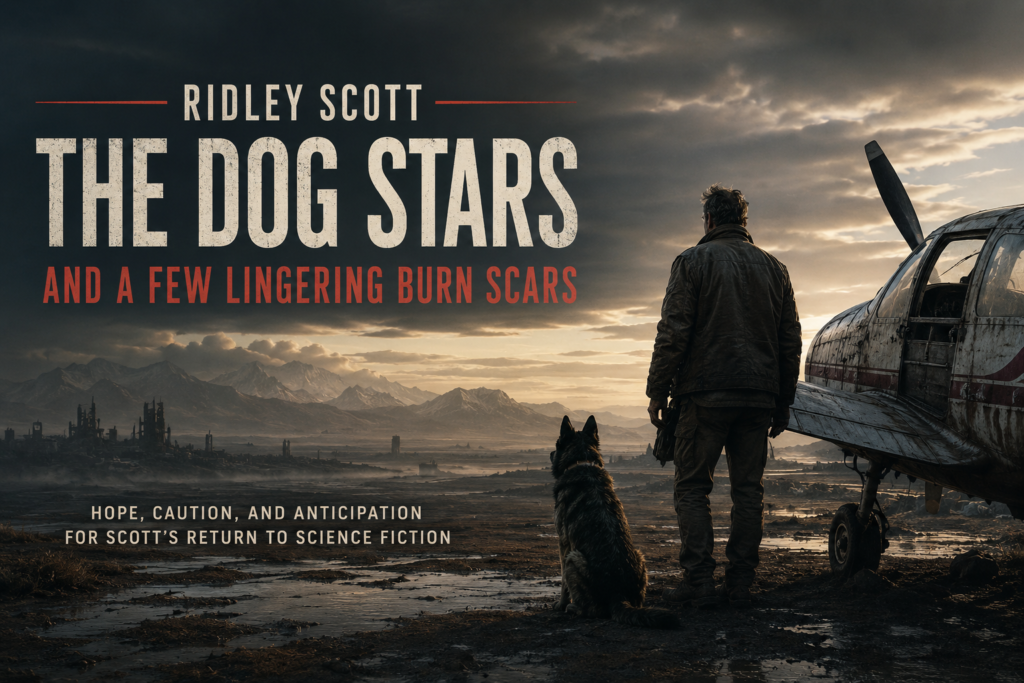
Ridley Scott, The Dog Stars, and a Few Lingering Burn Scars

Ridley Scott is one of those directors whose films automatically move to the top of my watch list. But after the disappointment of Gladiator II, I’m approaching his return to science fiction with a little more caution than usual. Based on the trailer for The Dog Stars, though, there are plenty of reasons for optimism—from its apparent focus on human relationships to Scott’s long history of creating unforgettable science fiction worlds.

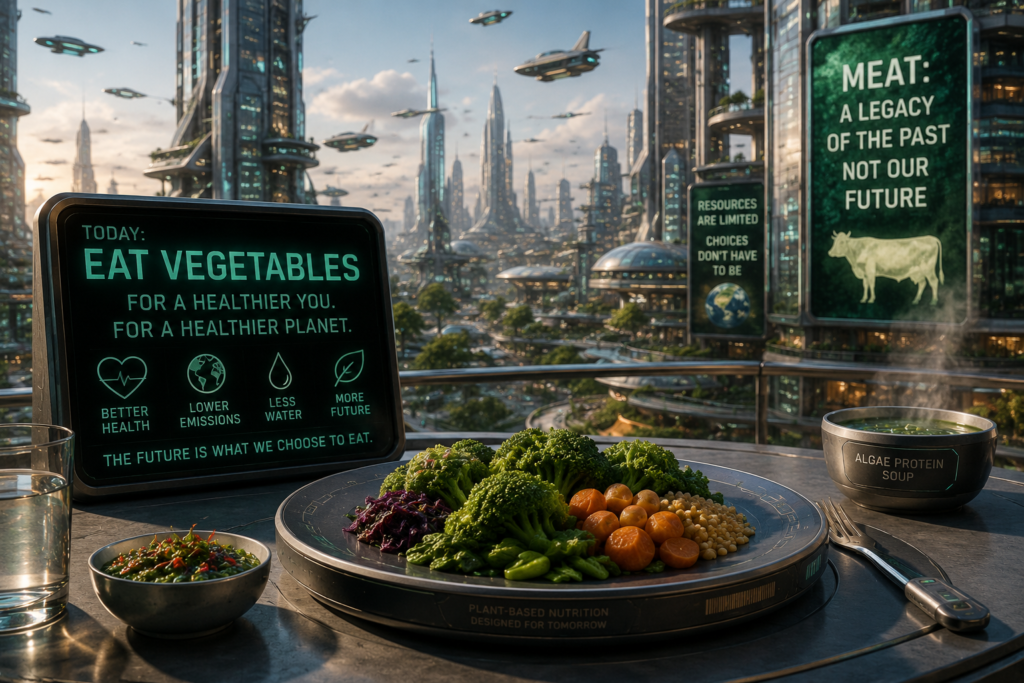
National Eat Vegetables Day and the Future of Meat

National Eat Vegetables Day may seem like an unlikely inspiration for a science fiction discussion, but current debates about meat consumption raise fascinating questions about the future. As health concerns, environmental pressures, and changing social attitudes converge, SF readers are uniquely positioned to ask where these trends might lead. Will meat remain a permanent feature of human civilization, or will future generations view it as an outdated and unsustainable practice?

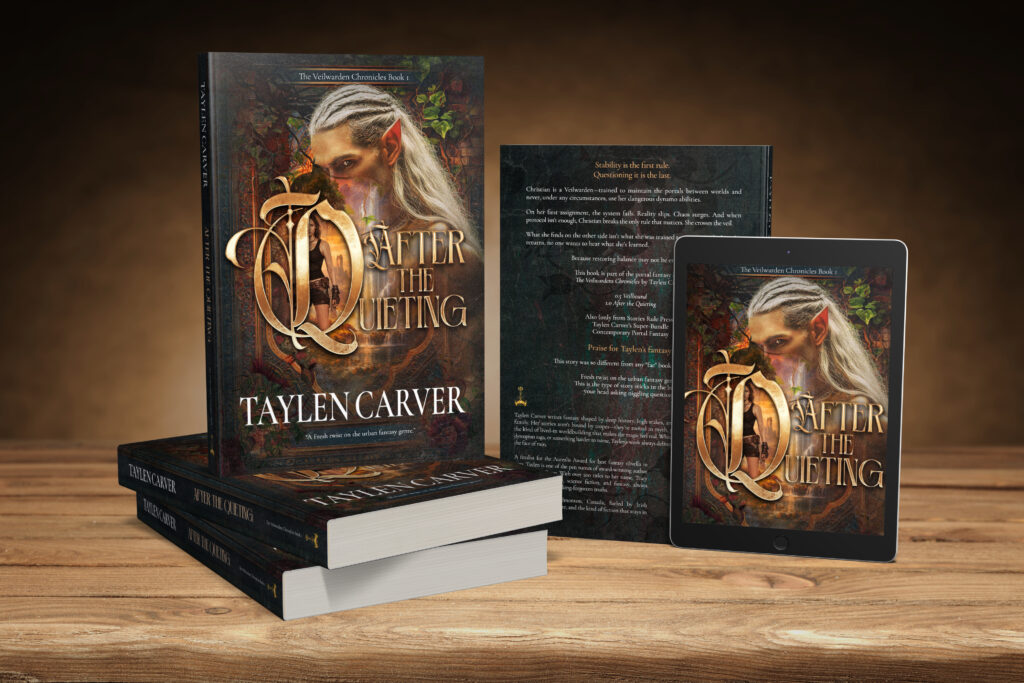
AFTER THE QUIETING Is Out Today

The Veilwardens have spent generations maintaining the portals between Terra and Aethryn, certain that the balance between the worlds must be preserved at all costs.

But what if the balance isn’t what they think it is?

In Quieting, old assumptions begin to crack, strange events grow harder to explain, and Riva Thorn finds herself questioning truths she has always accepted.

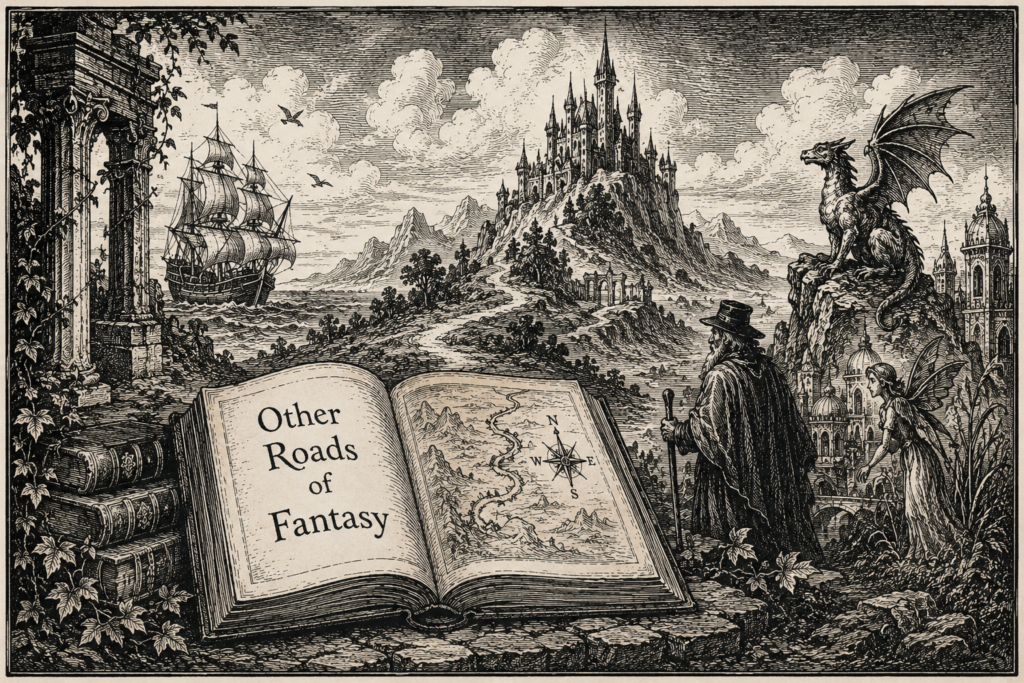
What Fantasy Looked Like Before Tolkien Won

Fantasy readers often trace the genre back to Tolkien, but fantasy’s history is far stranger and more varied than many realize. Long before epic quests and dark lords dominated the shelves, writers such as Lord Dunsany, George MacDonald, H. Rider Haggard, Arthur Machen, and Hope Mirrlees were exploring dream kingdoms, lost worlds, fairy realms, and mysteries lurking just beyond reality. Join me on a journey down the forgotten paths of fantasy and discover what the genre looked like before Tolkien’s road became the main highway.

The City With No Spare Inch

An entire capital city packed onto a single tiny island in the middle of the Indian Ocean, with barely an inch to spare. Looking at aerial photos of Malé, the capital of the Maldives, it’s impossible not to wonder about the fragility of cities, civilization, and the strange places human beings insist upon calling home.

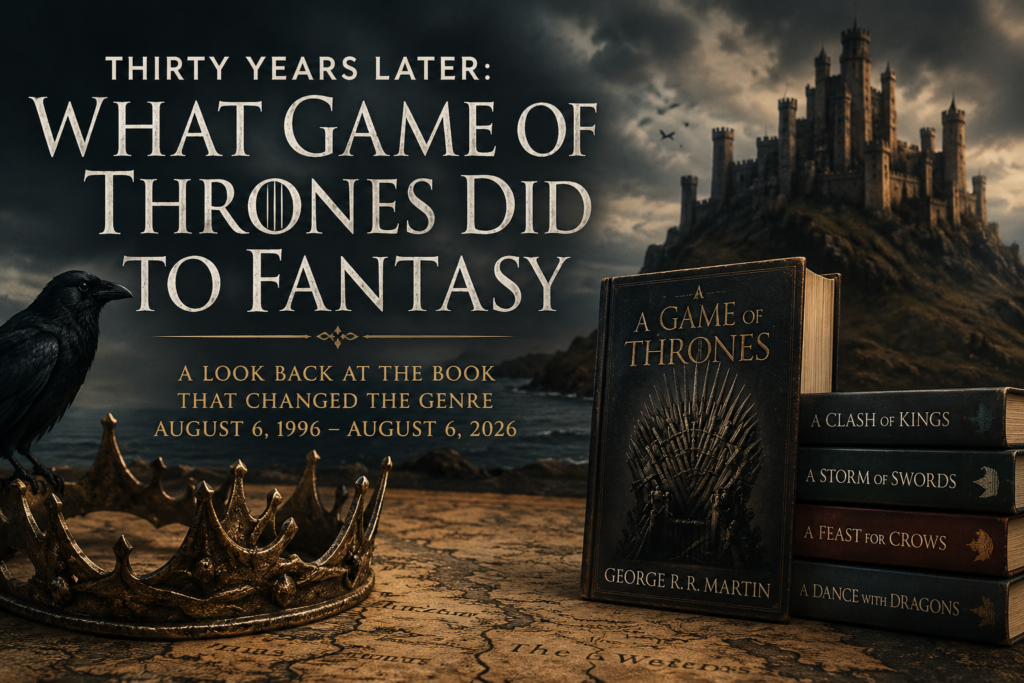
Thirty Years Later: What Game of Thrones Did To Fantasy

Thirty years after A Game of Thrones changed fantasy forever, it’s worth asking what the genre gained — and what it may have lost along the way. From the rise of grimdark and political fantasy to sprawling epic series and morally compromised heroes, George R. R. Martin’s influence is impossible to ignore. But as fantasy readers increasingly rediscover wonder, heroism, and adventure, has the pendulum finally begun swinging back?

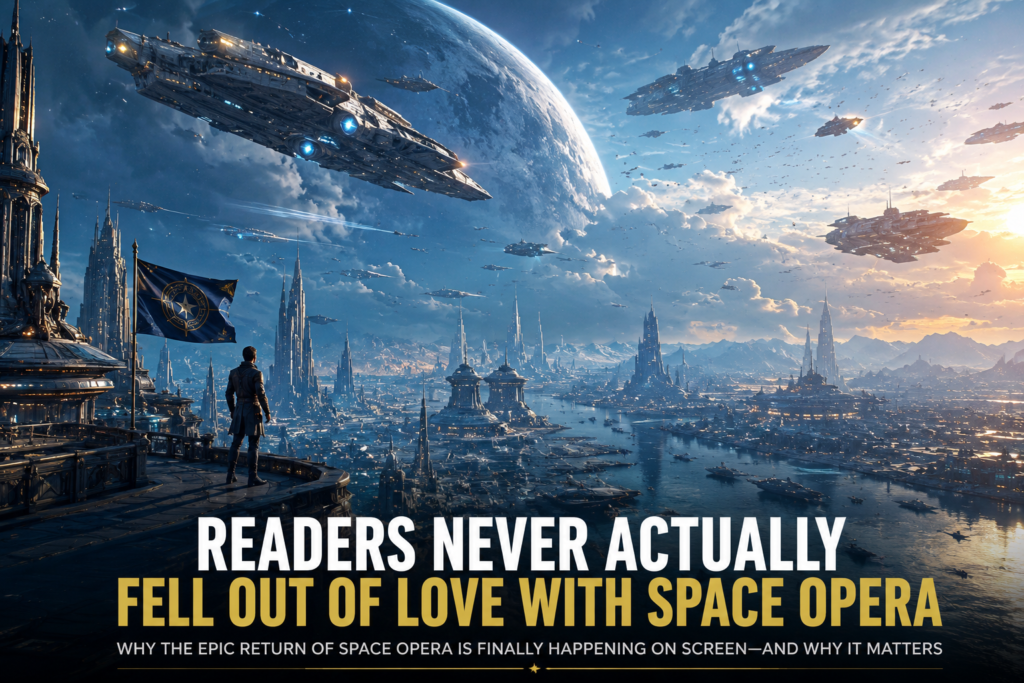
Readers Never Actually Fell Out of Love with Space Opera

For years, science fiction seemed determined to convince us the future would be smaller, darker, and more cynical than the present. But readers never actually abandoned space opera. They still wanted starships, exploration, galactic civilizations, and futures worth fighting for. Now, as film, television, and publishing slowly rediscover large-scale science fiction, it feels like space opera is finally stepping back into the spotlight — jet packs and all.

Finding Great Books Shouldn’t Be So Hard

Finding a genuinely good book is becoming harder—not because great stories no longer exist, but because readers are being buried under rushed, low-quality content designed to game algorithms instead of move people. At Stories Rule Press, every book is still built the old-fashioned way: by real authors who care deeply about storytelling, characters, and giving readers an experience worth remembering.

Are Modern Storytellers Afraid of Happy Endings?

The new Dune 3 trailer should have filled me with anticipation. Instead, it left me uneasy. Not because Denis Villeneuve lacks skill as a filmmaker—far from it—but because the films seem determined to undercut Paul Atreides’ triumph before it ever truly lands. Which raises a larger question: Have modern storytellers become afraid of heroic endings? From Dune to grimdark fantasy to prestige science fiction, modern stories increasingly distrust hope, sincerity, and unapologetic victory. But is that really what audiences want—or simply what the industry keeps giving them?

When “Agentic” Suddenly Became a Thing

Why has “agentic AI” suddenly become the term everyone’s using? What looks like an overnight trend is really the visible edge of a rapid shift—from passive tools to systems that can act, decide, and iterate. For science fiction readers, it’s a familiar moment: the future we’ve long imagined beginning to take shape, with all the promise—and unease—that implies.

Shopping Basket
Scroll to Top