Fantasy

“Romantasy” Is Not a Dirty Word. But It Is the Wrong One.

Fantasy author Danielle L. Jensen recently pushed back against the “romantasy” label, arguing that it reduces complex fantasy novels to “there was kissing, therefore clearly dragons are optional.” She is not alone. Fantasy romance has always demanded that writers master two genres at once: not just the emotional arc of a romance, but also worldbuilding, magic, politics, danger and impossible choices. So why has a catchy nickname managed to make the genre sound smaller, sillier and less serious than it really is?

Why Fantasy Keeps Hiding Magic in Libraries

There was a time when fantasy looked outward, toward lost kingdoms and blank spaces on the map. Today, with the world thoroughly mapped and disappointingly short on hidden plateaus full of dinosaurs, fantasy has shifted its secrets elsewhere. Now the lost world waits behind a locked door in the back of a library, or on a shelf in a bookshop that was not there yesterday.

Meanwhile, Back at Stories Rule Press…

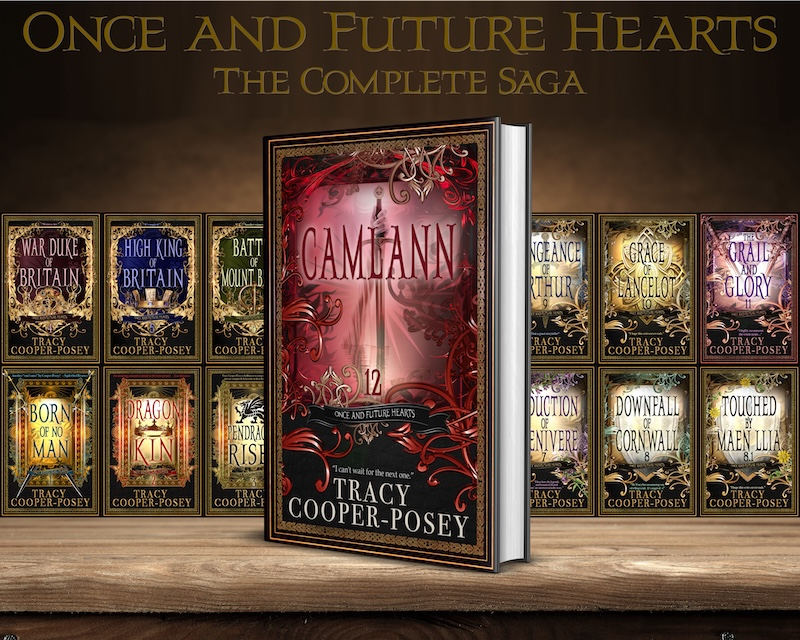
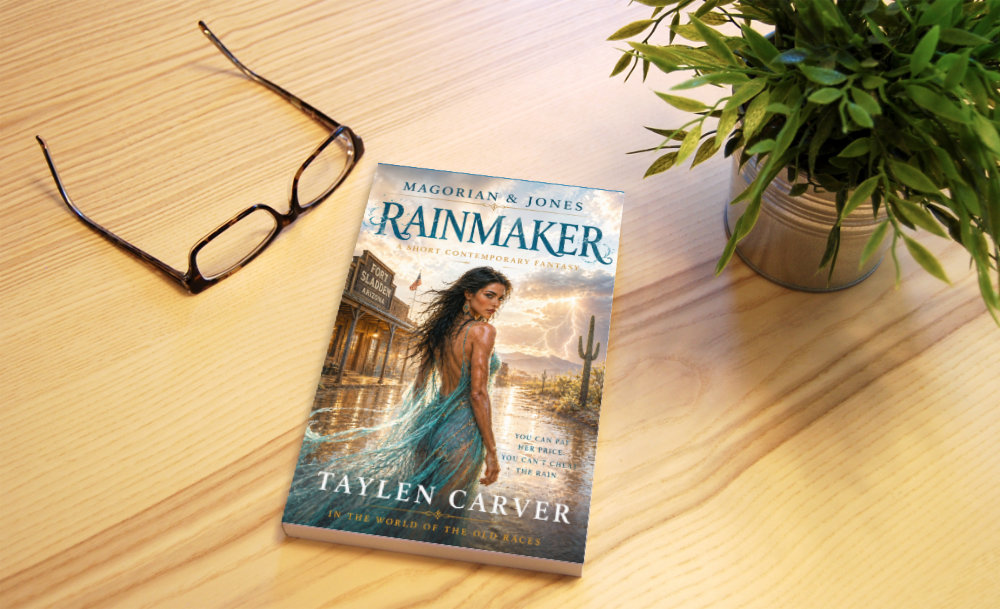
The first quarter of the year has disappeared in a blur of drafts, edits, releases and looming deadlines—business as usual at Stories Rule Press. Mark is deep into the next Thomas Billings thriller, Tracy is preparing new fiction and nonfiction releases, Taylen is starting an all-new fantasy series, and Cameron has another big-concept science fiction novel on the horizon. Different genres, different voices, same mission: story comes first. Always.

Why Fantasy Worlds Feel Smaller Than Middle-earth

Fantasy maps have the same problem as those diagrams of the Earth and the Moon: they make impossible distances look deceptively small. A quarter-inch on the map between Rivendell and Hollin hardly seems worth mentioning—until you realise the Fellowship spent weeks walking it. Why does Middle-earth feel so much larger than other fantasy worlds, even worlds that are technically bigger? The answer may lie not in the map itself, but in the long, cold, weary miles between the names.

The Fantasy Divide I Didn’t Have Words For—Until Now

For years, I assumed my growing frustration with certain fantasy novels was a personal failing—shorter attention span, impatience, age. It turns out it wasn’t me at all. Fantasy has quietly split into two different kinds of books doing two very different things: story-first fiction and immersion-first fiction. Neither is wrong—but when you don’t know which one you’re reading, disappointment is almost guaranteed. This post is about naming that divide, understanding where it came from, and giving readers permission to stop blaming themselves when a “perfectly good” book just doesn’t work for them.

Shopping Basket
Scroll to Top