

From the SRP Editor site:
Writers hire editors for all kinds of reasons.
- To catch typos.
- To smooth clunky sentences.
- To make the prose sound more “professional.”
All good reasons. But every so often, a manuscript lands on my desk with problems no editor can solve — at least, not in the way the author is hoping. Because editing and rewriting are not the same job.
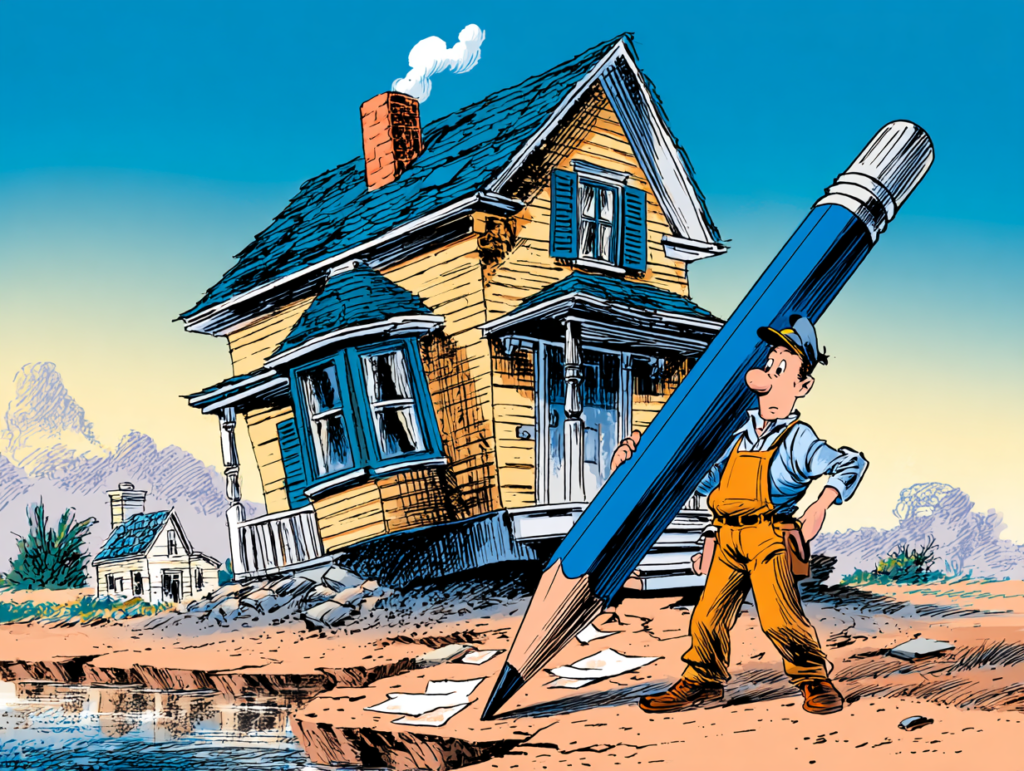
And when the foundation of the story isn’t solid, an edit becomes an expensive way to rearrange furniture in a house with structural cracks.
The Myth: “The Editor Will Fix It”
There’s a quiet hope some writers have when they send a manuscript off: They’ll make it work.
But if the core story problems are still there, what an editor can do is limited. I can point them out. I can suggest approaches. I can flag the places where readers will stumble, get bored, or stop caring.
What I can’t do is rebuild the story for you without essentially becoming a ghostwriter. And that’s not editing. That’s a different service entirely.
Problems That Aren’t Editing Problems
Here are a few things that look like “needs editing” but are actually story-level issues:
1. Nothing meaningful changes.
Events happen. Pages turn. But the protagonist ends the story essentially the same person in the same emotional place. That’s not a line-level issue — that’s a character arc problem.
2. Scenes exist, but they don’t do anything.
People talk. Things are described. Information is shared. But no one wants something badly enough, and nothing pushes back hard enough. That’s structure, not grammar.
3. The story starts too early.
Chapters of setup before the real story begins. An editor can trim, sure — but if the book is built on the wrong starting point, that’s a rewrite decision.
4. The real conflict is offstage.
Characters think about things. Worry about things. Discuss things that happened before page one. But the main tension isn’t unfolding in real time. That’s a storytelling problem.
What Editing Can Do
Editing shines when the story is fundamentally working. When:
- the protagonist wants something
- obstacles exist
- scenes cause change
- the story moves forward
Then an editor can:
- sharpen clarity
- tighten pacing
- cut flab
- strengthen emotional impact
- make the prose carry the weight it’s supposed to
That’s refinement. That’s where editing earns its keep.
How to Save Yourself Money (and Frustration)
Before you hire an editor, ask:
- Does my main character want something specific and urgent?
- Does each scene create a problem or change the situation?
- Would a stranger understand what the story is about in one sentence?
- Does the story end differently than it began — emotionally or practically?
If those answers are fuzzy, the book probably needs another draft, not an edit. That’s not failure. That’s process.
The Good News
When writers do this work first, the edit becomes powerful instead of painful. Instead of “Why isn’t this working?” It becomes “How do we make this stronger?”
That’s a collaboration. That’s where real progress happens. And yes — that’s when an editor can genuinely help you level up your book.
But I can’t fix the foundation. And you shouldn’t be paying me to try.
— Mark

Mark Posey
SRP Author and thriller writer.
Mark writes thrillers for readers who don’t mind a little dirt under the nails — stories with emotional weight, lean prose, and characters who rarely do the right thing for the right reason. His work lives somewhere between noir, revenge fantasy, and literary grit, though he avoids calling it any of those because that sounds like marketing.
When he’s not writing fiction, Mark also works as a professional editor and story consultant. His editing blog offers straight talk for indie and traditionally published authors alike — especially the ones who are tired of being told to “find their voice” by people who can’t define what voice is.
He believes in clarity over cleverness, clean narrative over trend-chasing, and that semicolons are fine, but you probably don’t need as many as you think.
He lives in Canada, which explains the politeness, but not the sarcasm.
You can find him online at MarkPoseyAuthor.com, where he blogs about writing, editing, story structure, and whatever else is on fire this week. His books are published through Stories Rule Press, an independent publisher of genre fiction with strong characters and sharp writing.