

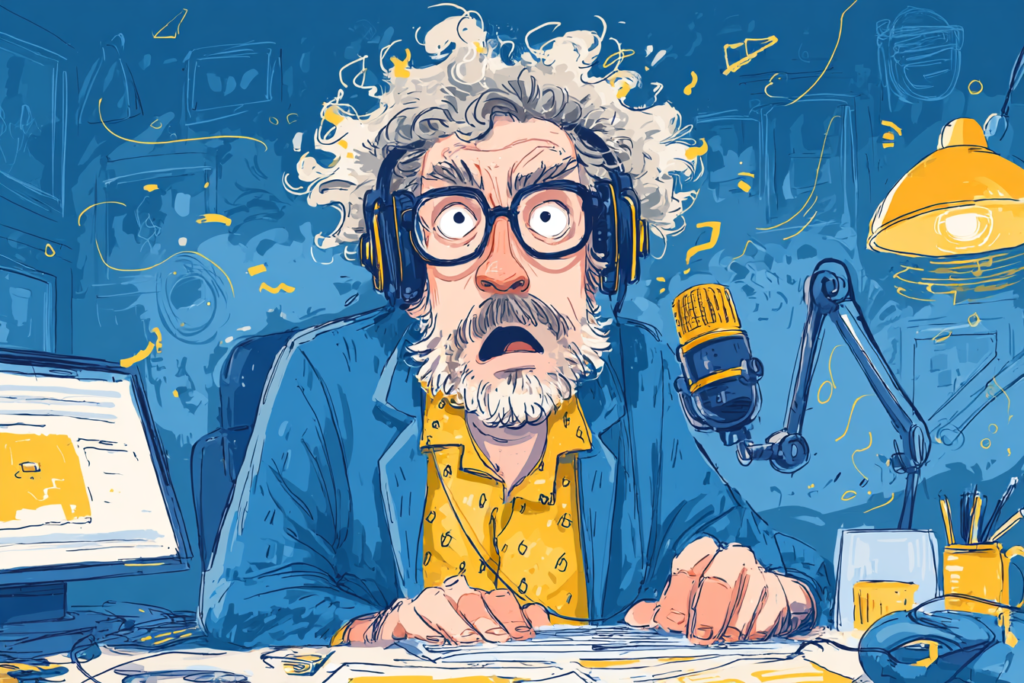
From the SRP Editor blog:
More writers are using dictation tools than ever before, and that’s a good thing. Speaking a story aloud can capture natural rhythm, emotional immediacy, and a sense of momentum that sometimes gets lost when typing.
But spoken language and written language are not the same thing. Speech is built for conversation. It allows repetition, side trails, filler phrases, and circling back to a point. Listeners process tone and pacing in real time, so structure can be looser.
On the page, that same looseness can feel unfocused. That’s why dictated manuscripts often need a different editorial approach. Not heavier, just different. The goal isn’t to “fix” the voice. It’s to translate spoken storytelling into written clarity while preserving the author’s tone and intent.
Typically, this means:
- Tightening repetition that works aloud but slows reading
- Breaking long, spoken-style sentences into clear prose
- Restructuring passages where ideas arrive out of order
- Clarifying transitions that speech naturally bridges but text must show
It’s not a sign that anything went wrong. It’s simply part of the process. Dictation captures the raw performance of a story; editing shapes it into its final literary form.
When done well, the result keeps the energy of speech while gaining the precision of the written word, and that’s where a manuscript really comes alive.
— Mark