Why Good Editing Feels Invisible

Good editing doesn’t draw attention to itself. When it works, readers never notice it at all — they simply fall into the story. Editing isn’t about rewriting an author’s voice or showing off clever fixes. It’s about removing the friction that causes readers to hesitate, lose momentum, or quietly stop turning pages.

You’re Not Bad at Writing. Publishing Is Hostile to Story.

Storytelling hasn’t failed readers — publishing culture has simply become suspicious of it. If you’re being told to slow down, soften conflict, or “let the story breathe,” the problem may not be your writing at all. It may be that you’re telling stories in a moment that prefers experience over consequence.

Your Editor Can’t Fix This (And You’re Paying Them To Try)

Writers sometimes send manuscripts to an editor hoping the edit will “make it work.” But when the foundation of the story is cracked — weak character arcs, passive scenes, or conflict happening offstage — no amount of line editing can fix it. Editing refines what already works; it doesn’t rebuild the structure. Knowing the difference can save writers money, frustration, and a lot of misplaced hope.

You Did This

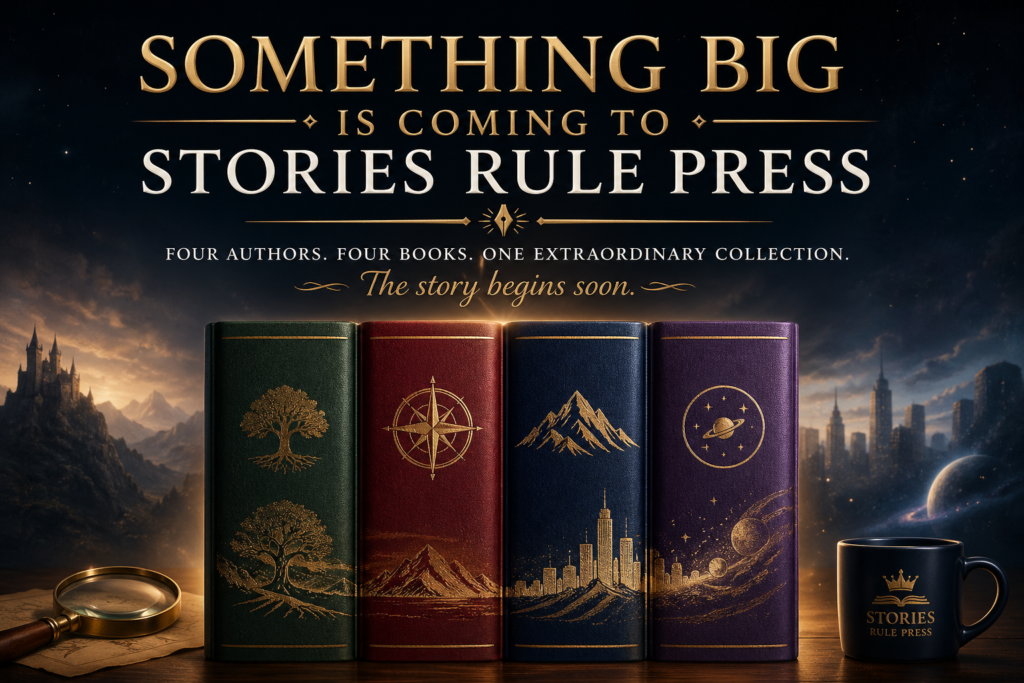
The Once and Future Hearts hardcover Kickstarter closed at 660% funded. That number isn’t just exciting — it’s enabling. Because of our readers, we’re not just printing books. We’re creating beautiful, permanent editions meant to last for decades. This project didn’t run on ads or algorithms. It ran on trust, shared love of story, and people who wanted something meaningful to exist.

Where Ideas Actually Come From

Ideas don’t arrive fully formed. They start as small, sideways questions — the kind that won’t leave you alone once they land. That’s where stories actually come from.

Five Things People Get Wrong About Small Presses

“Small press” gets used as shorthand for all sorts of assumptions — temporary, amateur, stepping stone. But size isn’t a synonym for casual. A real small press is a business with systems, strategy, and long-term intent. Here are five of the biggest myths people still get wrong — and what actually matters instead.

The Fantasy Divide I Didn’t Have Words For—Until Now

For years, I assumed my growing frustration with certain fantasy novels was a personal failing—shorter attention span, impatience, age. It turns out it wasn’t me at all. Fantasy has quietly split into two different kinds of books doing two very different things: story-first fiction and immersion-first fiction. Neither is wrong—but when you don’t know which one you’re reading, disappointment is almost guaranteed. This post is about naming that divide, understanding where it came from, and giving readers permission to stop blaming themselves when a “perfectly good” book just doesn’t work for them.

Shopping Basket
Scroll to Top