Mind Your @#$%& Mouth: Swearing in Fiction (And How Not to Mess It Up)

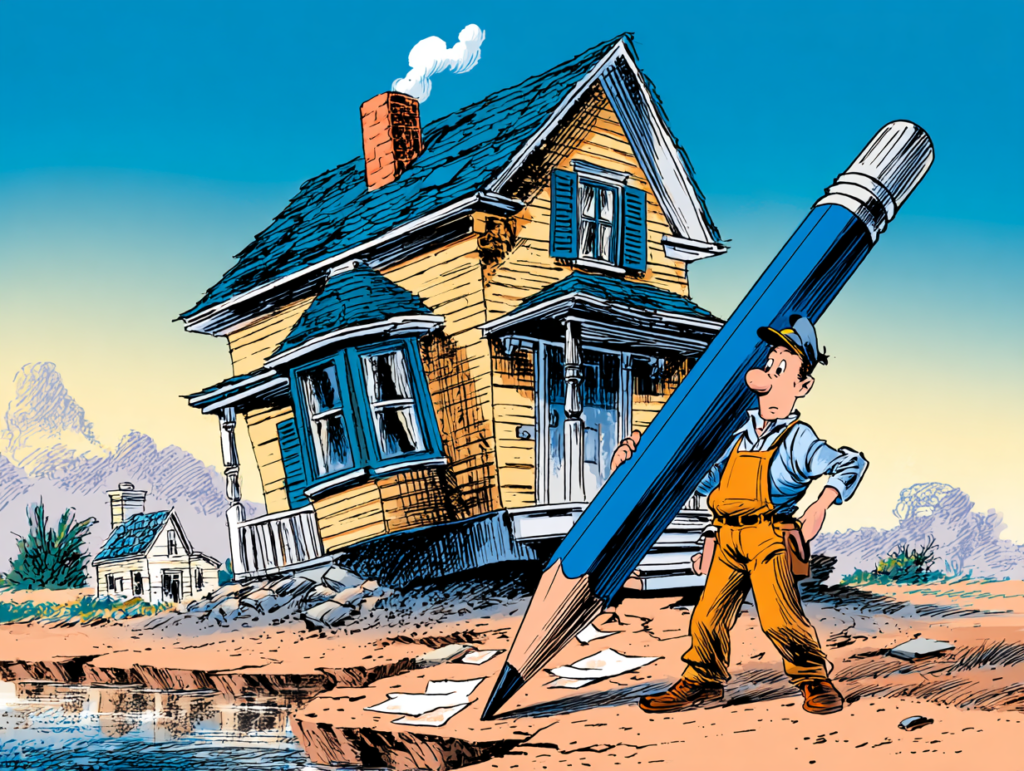
Writers love to worry about swearing — usually more than their characters do. The truth? Profanity isn’t “good” or “bad.” It’s a tool. A sharp one. Used well, it cuts cleanly through tension, reveals character, or snaps a moment into focus. Used poorly, it just bleeds all over the page.
In this post, Mark breaks down when swearing works, when it absolutely doesn’t, how genre affects your choices, and why every curse word has to be earned. If your characters are going to swear, make sure they mean it.

Trust Your Readers (They’re Smarter Than You Think—Usually)

Readers aren’t toddlers in need of hand-holding—they’re highly skilled story-decoders who’ve been reading between the lines since grade school. They don’t need your theme underlined, highlighted, and surrounded by interpretive dance. In fact, the moment you over-explain, you kill the magic. Trust them to catch the subtext, feel the tension, and assemble the clues. Not only will your story be stronger for it—your readers will love you for letting them play along.

Curl Up, Warm Up, Read On

There’s a particular kind of magic that happens the moment you sit down in front of a fire with a warm drink and a good book. Suddenly the to-do list fades, the world shrinks to a soft glow, and some ancient part of your brain settles in with a satisfied Yes. Good. Time to read. In that light, mysteries get twistier, romances get swoonier, and even instruction manuals start looking a little seductive. It’s the universal ritual of readers everywhere — curl up, warm up, read on.

The Impossible Romance of Unrequited Love

In today’s world, where assertiveness is prized and self-expression is practically a life skill, the notion of someone being secretly in love and saying absolutely nothing about it feels… off. Unrealistic, even.

But for argument’s sake, let’s say such a person exists. Someone who loves another deeply, completely, without ever breathing a word.

Here’s the problem: how do you keep it secret?

Because real love, the kind that makes your pulse skitter and your heart do the stupid thing in your chest every time they walk into the room—that kind of love leaks.

It shows up in your eyes, your voice, your every bloody expression.

Beautiful Lies: The Problem With Fantasy Maps (And Why I Still Love Them)

I’ve been obsessed with maps since before I knew what fantasy was. The kind you unfold like treasure, with winding rivers, tiny illegible place names, and the promise of ancient secrets hidden in the margins. In my own stories, the map comes first—and sometimes refuses to budge. Which is probably why I have strong feelings about Tolkien’s very tidy mountain problem. Let’s talk about the beauty, the lies, and the suspicious tectonics of fantasy cartography.

AI Just Went Mainstream. Here’s What That Means for Indie Authors

AI has officially gone mainstream—and that matters more than you think. This week on the blog, we’re looking at what the AI tipping point means for indie authors (hint: it’s not time to panic, but it is time to get your author platform AI-friendly). If your site doesn’t tell a chatbot what kind of stories you write, you’re already losing visibility.

Let’s fix that.

TV Review: Alien: Earth

Alien: Earth doesn’t just mimic Ridley Scott’s industrial horror vibe—it builds on the franchise’s core themes with chilling relevance. Expect corporate overreach, synthetic humans with suspect motives, and alien lifeforms that are somehow even grosser than the originals. With standout performances (hello, Timothy Olyphant as a philosopher-soldier), tight character arcs, and a gritty, claustrophobic setting, this series delivers more than just jump scares. It’s a smart, unsettling evolution of a classic universe.

New Jacobine Story from Mark Posey.

Today, SRP author Mark Posey has released a new short story in his Jacobine series, “The Things that Shall Come Upon Them”, which is included in the SRP anthology, A Gathering of Stories: Lantern Festival.

Shopping Basket
Scroll to Top